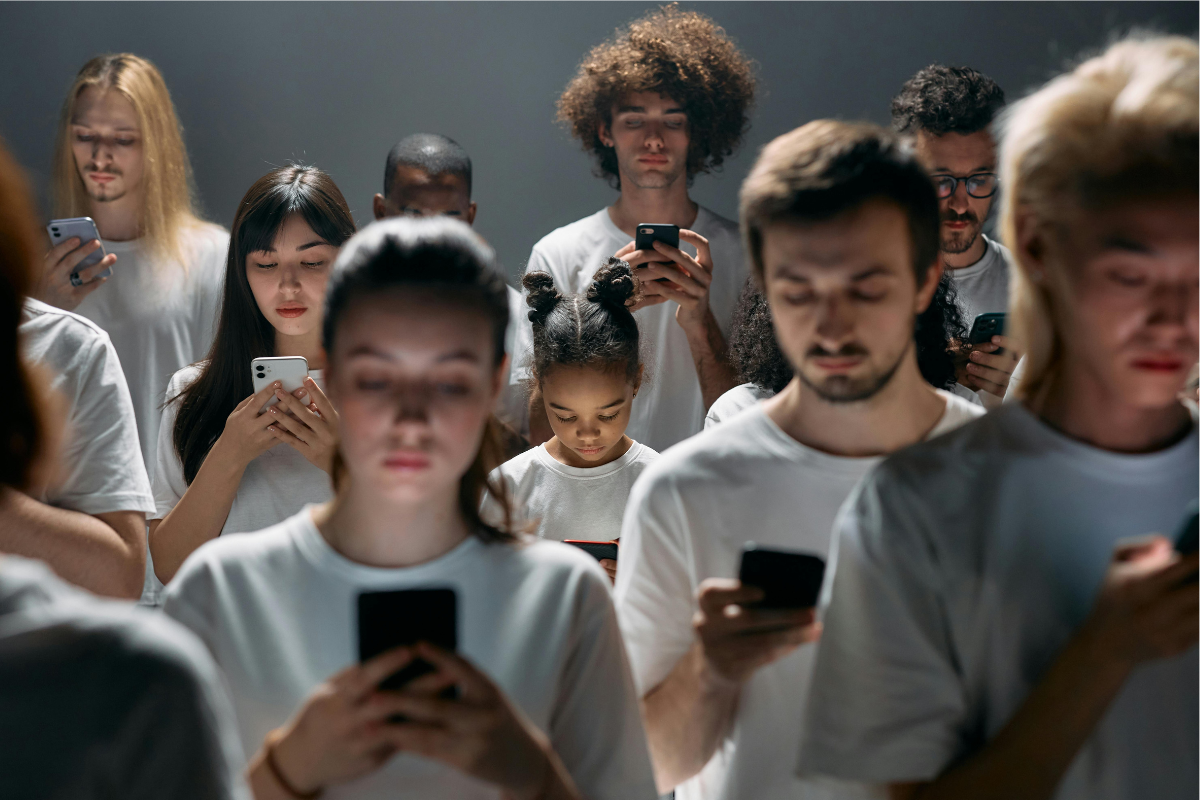
“Just 5 minutes of scrolling…” – and suddenly two hours are gone. Does this sound familiar?
In today’s digital era, social media entertains, connects, and even educates us. But when screen time goes beyond control, it quietly turns into an addiction that affects our mental, physical, and emotional health.
According to a 2023 report, the average Indian spends 2.6 hours daily on social media. Another WHO survey revealed that excessive screen time is directly linked to anxiety, depression, and poor sleep quality. Clearly, the cost of endless scrolling is higher than we realize.
Let’s understand the disadvantages of social media addiction and explore practical ways to overcome it.
Why Social Media Addiction is Harmful
1. Waste of Time
We often plan for “just a quick check,” but hours vanish in endless feeds. This reduces time for studies, work, or family, and eventually damages productivity.
Example: One of my close friends used to spend almost 5 hours daily on Instagram. Later, she realized she had no time left for her hobby—painting—which once made her truly happy.
2. Negative Impact on Mental Health
- Constant comparison with others creates stress.
- FOMO (Fear of Missing Out) increases anxiety.
- Focus and concentration levels decline.
3. Poor Physical Health
- Late-night scrolling disturbs the sleep cycle.
- Eye strain, headaches, and obesity become common.
- Reduced physical activity leads to laziness.
4. Weakening of Relationships
- Virtual friendships replace real connections.
- Families and close friends feel neglected.
- Lack of communication weakens bonding.
How to Control Social Media Addiction
1. Set Screen Time Limits
- Use Digital Wellbeing or Screen Time Control apps.
- Restrict yourself to 1–2 hours daily.
- Take short breaks after every 20 minutes of usage.
2. Start Your Morning Without a Phone
- Avoid checking your phone right after waking up.
- Keep the first 2–3 hours of your day “screen-free.”
- Use that time for meditation, exercise, or reading.
3. Use Technology Productively
- Study apps: Google Classroom, Coursera, Khan Academy.
- Skill learning apps: Canva, Duolingo, Udemy.
- Productivity tools: Notion, Google Keep.
4. Build Real-Life Hobbies
- Engage in painting, music, gardening, or writing.
- Explore creativity and learn new skills daily.
5. Practice Digital Detox
- Dedicate one day a week as “No Social Media Day.”
- Spend time with family, friends, or in nature.
- Experience peace and joy beyond screens.
A Real-Life Story
One of my college friends tried a 24-hour digital detox. She confessed, “At first, I felt restless, like I was missing something. But slowly, I felt free. I cooked after months, went for a walk, and actually sat with my parents for long conversations. That day felt more alive than any day spent scrolling.”
Her story shows that unplugging isn’t about losing something—it’s about gaining yourself back.
Final Thought: A Message for You
Social media is not inherently harmful – it is a powerful tool. But when it starts controlling us, we lose the most valuable thing: time.
Use social media mindfully—for learning, networking, and staying updated. But don’t let it steal your energy, focus, growth, not for endless scrolling or peace.
Remember: Real life happens outside the screen – don’t miss it.
Frequently Asked Questions
Q1. How do I know if I’m addicted to social media?
If you check your phone repeatedly without reason, ignore work or studies, or feel restless without your phone – these are signs of addiction.
Q2. Should I quit social media completely?
No. Balance is the key. Use it for learning, networking, and entertainment – but with limits.
Q3. What is the ideal screen time per day?
Experts suggest a maximum of 1–2 hours of social media for entertainment. The rest should go into productive or real-life activities.
Leave a Reply